
Acufore designs, stresses, and details modular pipe racks and process skids as one continuous package, from the first stress model to the fabrication drawing that leaves the shop floor.
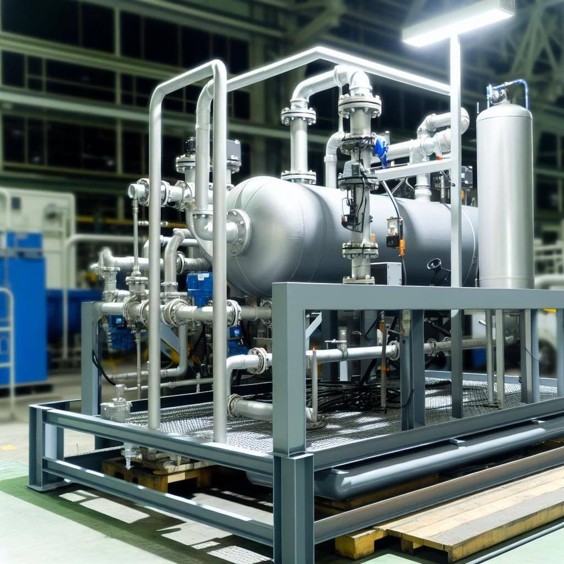
Acufore stresses, details, and fabrication-qualifies modular pipe racks and process skids as a single engineering package, not a handoff between separate stress, structural, and logistics contractors. We verify nozzle and support loads before steel is cut, detail every connection to BS EN 1090 Execution Class 2, and confirm the module can actually be lifted, shipped, and landed at site.
Raw skid or rack layout, no stress or fabrication basis
CAESAR II load verification & BS EN 1090 detailing
Stamped stress reports, weld maps, NDT plan
Bolts in on the first attempt, zero site rework
Every modular pipe rack or skid engagement produces a defined, auditable deliverable set.
| Deliverable Package | Technical Scope Included | Business & Project Benefit |
|---|---|---|
| Stress & Load Package | CAESAR II stress runs, nozzle load reports, guide and support schedules. | Confirms the module won't overload existing equipment or piping before fabrication starts. |
| Fabrication & Compliance Package | BS EN 1090 (EXC2) execution drawings, weld maps, NDT plan, and BS EN 10204 3.1 mill certificates. | Keeps the module compliant and importable without customs or site QA rejection. |
| Modularization & Transport Package | Skid layout, lift plan, rigging study, and shipping envelope. | Confirms the module can actually be moved, lifted, and installed at site. |
| Site Integration Package | Tie-in schedule, installation sequence, and bolt-up drawings. | Bolts in on the first attempt, with no field rework. |
Integrated calculations and detailing across all critical disciplines.
Acufore verifies static and dynamic load cases across the entire piping envelope before steel cutting begins. We model thermal expansion, sustained weight, and seismic/wind reactions to ensure pump and vessel nozzles remain within strict allowable limits.
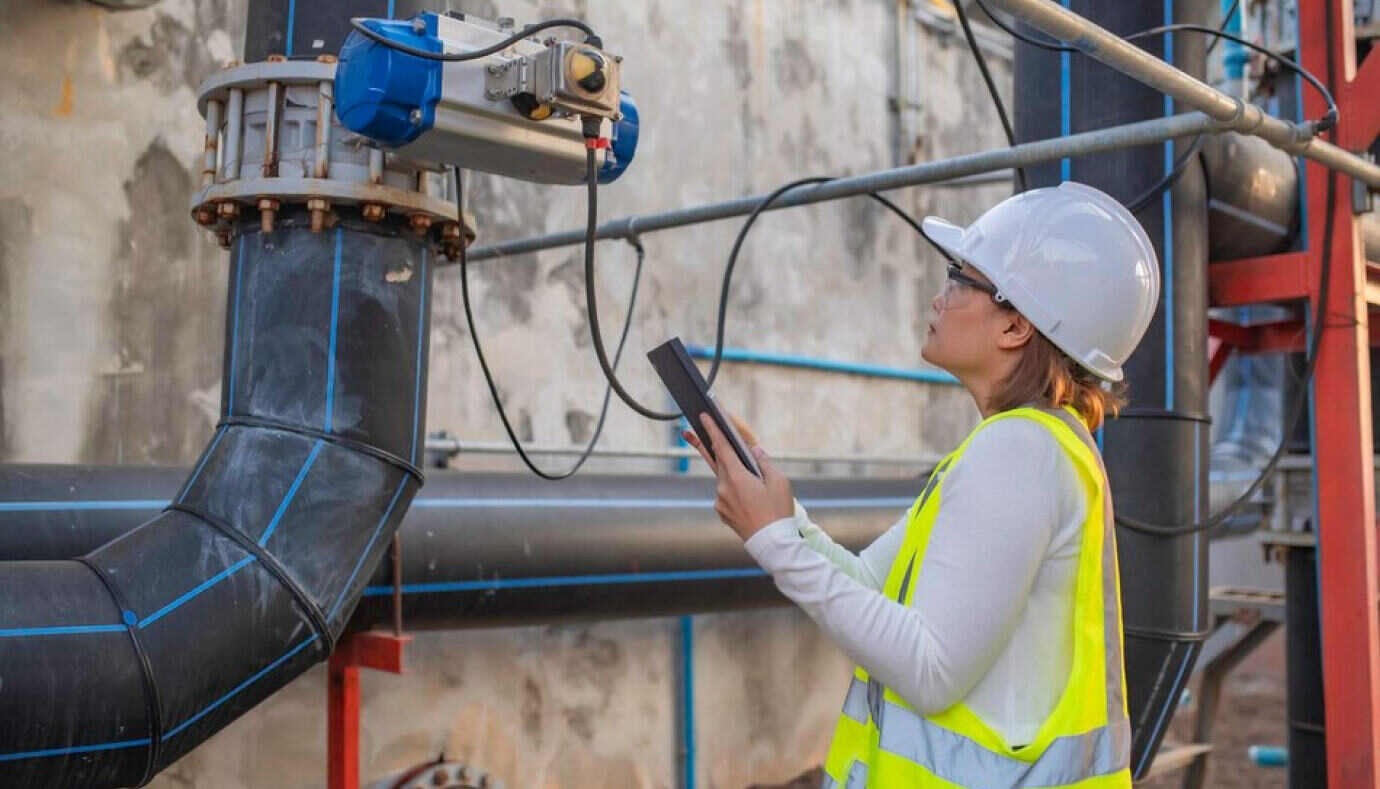
BS EN 1090 governs the execution of steel and aluminium structures across Europe and the UK, and it assigns every structure an Execution Class from 1 to 4 based on consequence of failure and how the structure is used. Most pipe racks and process skids sit in Execution Class 2, the class covering the majority of ordinary structural steelwork, but "most" isn't "all": getting the classification wrong at the start means re-qualifying welders, re-issuing NDT records, or re-certifying mill material after the fact.
| Execution Class | Typical Use |
|---|---|
| EXC1 | Low-consequence, static structures with minimal fatigue exposure |
| EXC2 | Standard process steelwork: pipe racks, process skids, most plant structures |
| EXC3 | Fatigue-critical or higher-consequence structures |
| EXC4 | Major infrastructure with severe consequence of failure |
Compliance isn't just the weld. It's the paper trail behind it: qualified welding procedures, the right NDT extent for the class, and BS EN 10204 Type 3.1 mill certificates that trace every plate and section back to a heat number. Missing any one of these is what gets a shipment held at customs or a fabrication rejected by site QA, months after the steel was cut.
This is the same single-team model covered in full on our turnkey engineering services page, applied here specifically to modular pipe racks and skids.
For clients fabricating modules in India for UK sites, running stress, fabrication, and logistics through one engineering team carries a commercial upside too. The India-UK Comprehensive Economic and Trade Agreement (CETA) came into force on 15 July 2026, giving zero-duty access to the UK market for close to 99% of India's tariff lines, including large parts of engineering goods, fabricated metal products, and machinery. That duty-free access only pays off if the fabricated module actually fits: a field misfit that forces on-site rework in the UK burns the margin the trade agreement was supposed to protect. Running the stress model, the fabrication package, and the shipping envelope through one engineering team is what keeps a duty-free module duty-free in practice, not just on paper.
Every module ships with a real CAESAR II stress package, not a generic sizing factor.
Fabrication drawings and mill certificates built to clear UK/EU import and site QA on first submission.
The engineers who ran the stress model detail the steel and plan the lift, not three separate contractors.
A confidential review returns a fixed-fee proposal, not an open-ended hourly estimate.
Send your general arrangement drawings, process data, or concept notes. We respond with a fixed-fee proposal and scoping call.